
 +91 88262 86007
 info@wellbeinghelp.com
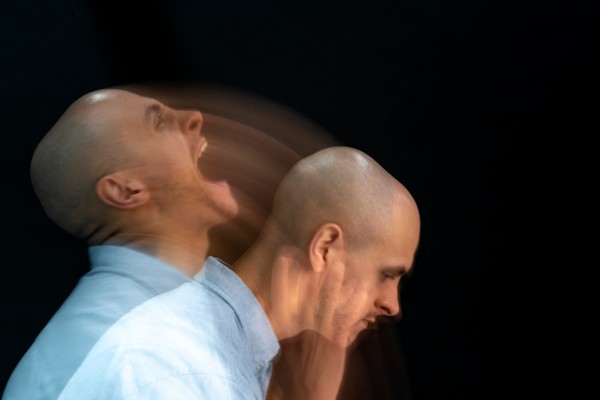
A personality disorder is an abnormal psychological state characterised by abnormal thinking and behaviour, and how one person’s behaviours and perceptions affect another person. People suffering from personality disorders will often suffer from difficulties with their emotions, social and self-identity, their decision-making skills and social roles.
Mental health experts are now trying to track down the causes of these illnesses and the behavioural indicators. Early recognition of the signs by a trained mental health worker would help an individual’s emotional stability, communication skills and life quality. With the correct personality disorder counselling and therapy, many will be able to cope better in a positive way.
Let us see more about the importance of counselling and how it can positively affect an individual, and understand its types, causes, symptoms, and treatment. In this blog, detailed information and analysis will be provided regarding personality disorders and how an expert can help solve them effectively.
Different Types of Personality Disorders
The diagnosable personality disorders are, however, categorised into conglomerates of individuals with shared characteristics of emotion and behaviour. For example, some are highly impulsive with overtly dramatic behaviours, others are highly anxious with fear as well as emotional withdrawal.
The personality disorder counselling from the experts makes sure that all the problems are resolved. These experts also make sure that your necessities are heard, and if there are any problems, then they can be solved seamlessly without any problems.
The second category is indicative of, associated with or relevant to delusional thought patterns or socially detached or uncoordinated (disorganised) behaviour patterns.
There also appears to be some association with (certain) personality disorders, obsessive-compulsiveness, narcissistic neediness and overly heightened sensitivity to criticism.
Causes of Personality Disorders
Personality disorders are known to be caused by a complex and interacting blend of biological vulnerabilities, such as genetic traits, and environmental factors, which are most notably caused by childhood trauma or chronic stress during the important developmental stages.
Apart from that, personality disorders are also caused by childhood trauma, unstable life at home, genetics, and, in some cases, brain structure or chemistry-related problems.
Symptoms of Personality Disorders
Some of the common personality disorder symptoms are as follows:
- Long-term rigid patterns of thinking
- Feeling challenged or compromised
- Behavioural issues caused by sudden triggers
These are some of the symptoms which might indicate personality disorder-related problems that a person faces.
Importance of Professional Support
A professional like Dr. Dipti Yadav is a supporter for strengthening your mental and emotional health. During the meeting, the leading supporter suggested treatment according to the evaluation of your emotional behaviour, addiction, and history.
The public does not tend to ask for assistance with these disorders largely due to the anxiety of seeking help, or the social stigma or lack of awareness of the disorder. However, if untreated, personality disorders can have an indirect negative effect upon your personal relationships, performance at work and their ultimate impact upon your health and quality of life.
Hence, more and more people are getting the help of the best psychologist in India to identify their mood disorders and receive some therapeutic counselling with scientifically proven therapy. Counselling therapy helps in teaching about identifying negative behaviours and employing healthy emotional responding.
Effective Treatment Approaches
Contemporary personality disorder treatment emphasises reduced emotional disturbance, increased self-awareness, Improved communication skills, and now also noted control of behavioural stabilisation. This conceptually elaborates treatment priorities for the most “intense” psychological issues and clinical needs of the individual.
Occasionally, medications are given for symptoms that accompany the symptoms of the eating disorder, for example, anxiety and depression, as well as the feelings the eating disorder generates. However, medication alone is not a long-term answer as it cannot provide the ongoing emotional management with the assistance of further intervention and behavioural strategies.
As they grow accustomed to it, individuals who are enrolled in personality disorder treatment are being guided to more authoritative agencies for therapy in order to develop their strength of spirit and stabilise their relationships. They should be assisted not only to control the symptoms of their disorder but also to regain their original emotional equilibrium and to show a greater self-consciousness.
The Role of Experienced Mental Health Professionals
The usual effects of therapy are improved by the experience, understanding and manner of interaction of the mental health professional. Most therapists are experienced in knowing how to prewarn the patient and help them talk in a smooth flow.
All professionals, patients, the general public, and anyone who is or works with emotions should be told that changing personality disorders takes patience, energy and care. The work occurs within and is a step-by-step process of the individual.
Among other experts, the top-rated is Dr. Dipti Yadav, who is contributing to increasing the awareness of mental health issues and ongoing behavioural support. She promoted professional advice on emotional problems and healthy personal development.
It also suggested the importance of reinforcing self-esteem, communication skills, emotions and emotional control, and relationship skills. Family therapy and emotional education could be proposed to the individual at the same time for the enhancement of the support network.
Long-Term Emotional Growth and Recovery
Recovery is likely to be a lengthy process, which is goal-directed with intense and emotional depth of insight. Both parts working collaboratively in therapy will require intimacy from the therapist and the patient. Patients who cooperate with the treatment process will benefit from better coping skills and emotional insight.
Other longer-term strategies are dietary patterns conducive to health, meditation & mindfulness, and other techniques to reduce stress and teach emotion regulation through proper self-care. A healthy lifestyle and close and helpful friends provide a proper foundation for effective long-term emotional regulation.
Conclusion
If left untreated, personality disorders have the potential to degrade an individual’s emotional well-being, lifestyle, relationships and functioning in life to a lower level. Hence, the need for the best psychologist in India is always important to make sure that all the problems are solved efficiently.
Wellbeing Help provides instant online access to specialist mental health services and an array of talk therapies, supported by scientific research, aimed at strengthening mental health and emotional resilience.
About Author
The author is an expert on mental health and loves to interact with people, understand their needs and the problems they face in their daily life. She also writes informative content on the aspects of mental health and provides a clear understanding of the common problems.